How Much of the Universe’s Light Can We See?

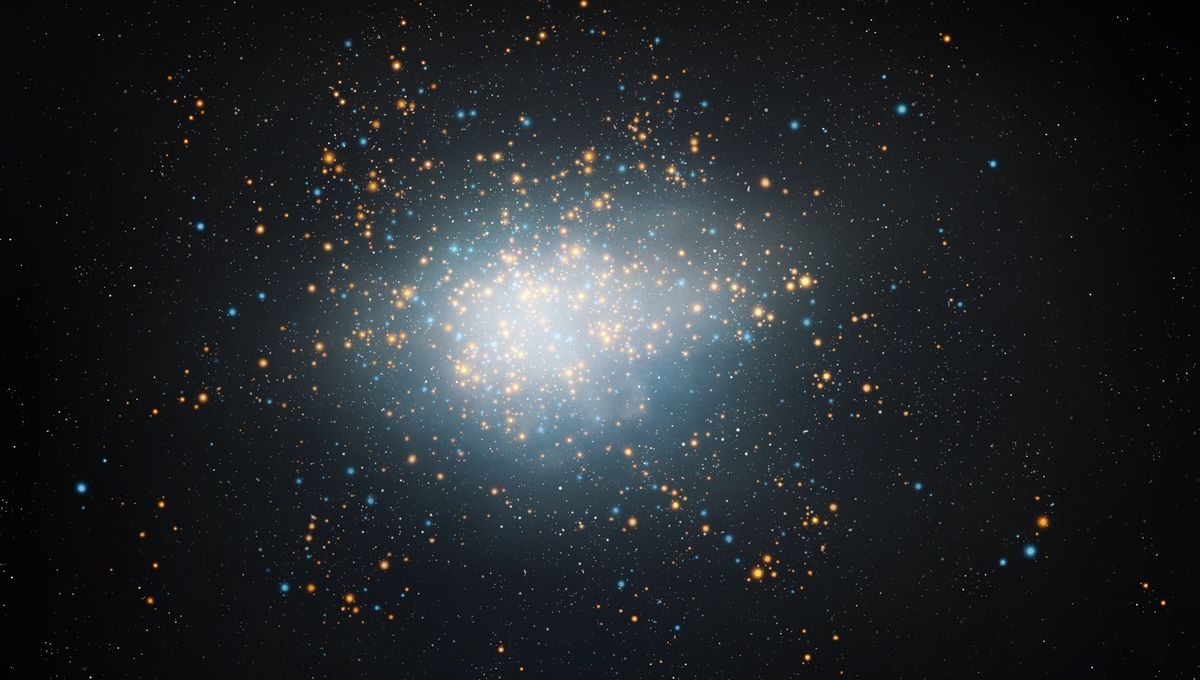
Definition of Cosmic Light Cosmic light refers to the electromagnetic radiation emitted by various celestial sources throughout the universe. This radiation spans a vast range of wavelengths, from long radio waves to extremely energetic gamma rays. The light we observe from the cosmos provides critical insights into the universe’s structure, history, and the physical processes […]

Read More →

PhD in Physics: Abroad or Local—Which Is Better?

Understanding the Choice: Pursuing a PhD in Physics Deciding to undertake a doctoral degree in Physics marks a significant milestone in the career of any aspiring scientist. A frequent dilemma faced by candidates is whether to pursue this advanced study within their home country or venture abroad. While this decision might initially seem straightforward, often […]

Read More →

Is European Space Agency Catching Up to NASA?

Overview of the European Space Agency’s Emergence For decades, the United States’ National Aeronautics and Space Administration (NASA) has been the dominant force in space exploration, renowned for landmark achievements such as the Apollo moon landings and pioneering robotic missions. However, the European Space Agency (ESA), an intergovernmental organization representing multiple European nations, is undergoing […]

Read More →

How Scientists Are Trying to Detect Dark Matter on Earth

Understanding Dark Matter Dark matter is a mysterious and invisible component of the cosmos that continues to puzzle scientists worldwide. Although it cannot be seen with traditional telescopes, its presence is inferred through its gravitational effects on visible matter, shaping the structure and behavior of galaxies and the universe at large. This enigmatic substance is […]

Read More →

Are Astronauts Always in Free Fall? Here’s the Truth

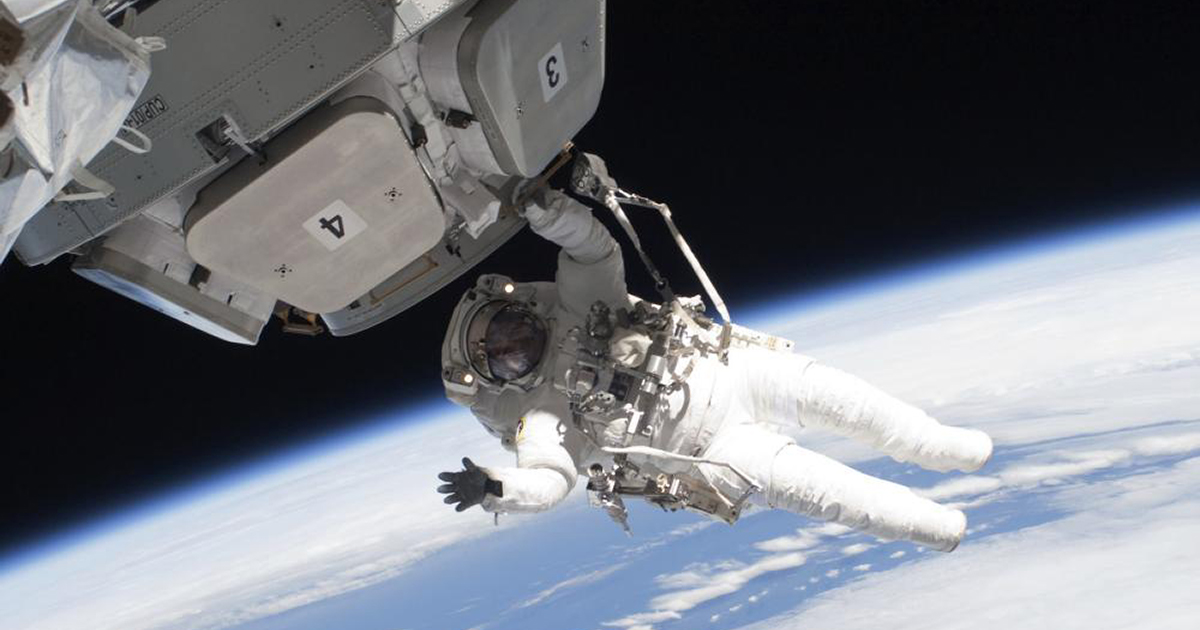
Definition of Astronauts’ Weightlessness The iconic image of astronauts floating effortlessly inside spacecraft or drifting outside the International Space Station (ISS) is often described as “weightlessness.” This term refers to the sensation experienced by astronauts as if gravity has vanished. However, the reality is more intricate: astronauts are not free from gravity but are instead […]

Read More →

Is Space-Time the Medium of Gravitational Waves?

Understanding Gravitational Waves and Space-Time The universe, with its immense and often unfathomable nature, inspires deep reflection and inquiry beyond everyday comprehension. Among the most intriguing phenomena are gravitational waves-ripples that traverse the fabric of space-time. These waves captivate scientists and enthusiasts alike, not only because of their mysterious origin but also due to the […]

Read More →

What Actually Causes Gravity? (Einstein vs Newton)

Definition of Gravity Gravity is a fundamental natural phenomenon that causes objects with mass to attract one another. It is the invisible force responsible for holding planets in orbit, keeping objects anchored to the Earth, and shaping the large-scale structure of the universe. Despite its omnipresence and critical role in the cosmos, gravity remains one […]

Read More →

Are We Completely Wrong About the Universe?

Understanding the Universe: A Complex Cosmic Fabric Envision the universe as an immense, shimmering tapestry interlaced with threads of light, darkness, matter, and enigma-each strand carrying secrets from ancient epochs and truths yet to be unveiled. This intricate cosmic fabric, while breathtaking in its complexity, may not be as straightforward as it appears. For centuries, […]

Read More →